
News
Why Do Pipe End Caps Lose Seal During Testing?
Why Do Pipe End Caps Lose Seal During Testing?
Loss of seal is the most common cause of failures during hydrostatic testing. Even if the equipment is working properly and the pressure is set correctly, a leak can ruin the test, damage the sample, and waste time. And it's often not easy to figure out where the problem is coming from.
What causes it most often?
The pipe end is not prepared properly.An angled cut, burrs, or uneven surfaces prevent the sealing ring from sitting evenly.
The sealing ring is worn or damaged.It may have lost its elasticity, developed cracks, or been damaged during installation.
Tightening is done "by feel."Without a torque wrench, it's hard to achieve even clamping force.
The pipe diameter is out of tolerance.Ovality or dimensional deviations can make reliable sealing impossible.
What to do?
Cut pipes squarely and always remove burrs.
Replace sealing rings at least every 50 tests — or sooner if you notice any damage.
Use a torque wrench and tighten bolts in a cross pattern.
For pipes with diameter variations, choose clamps with compensation elements or adaptive sealing.
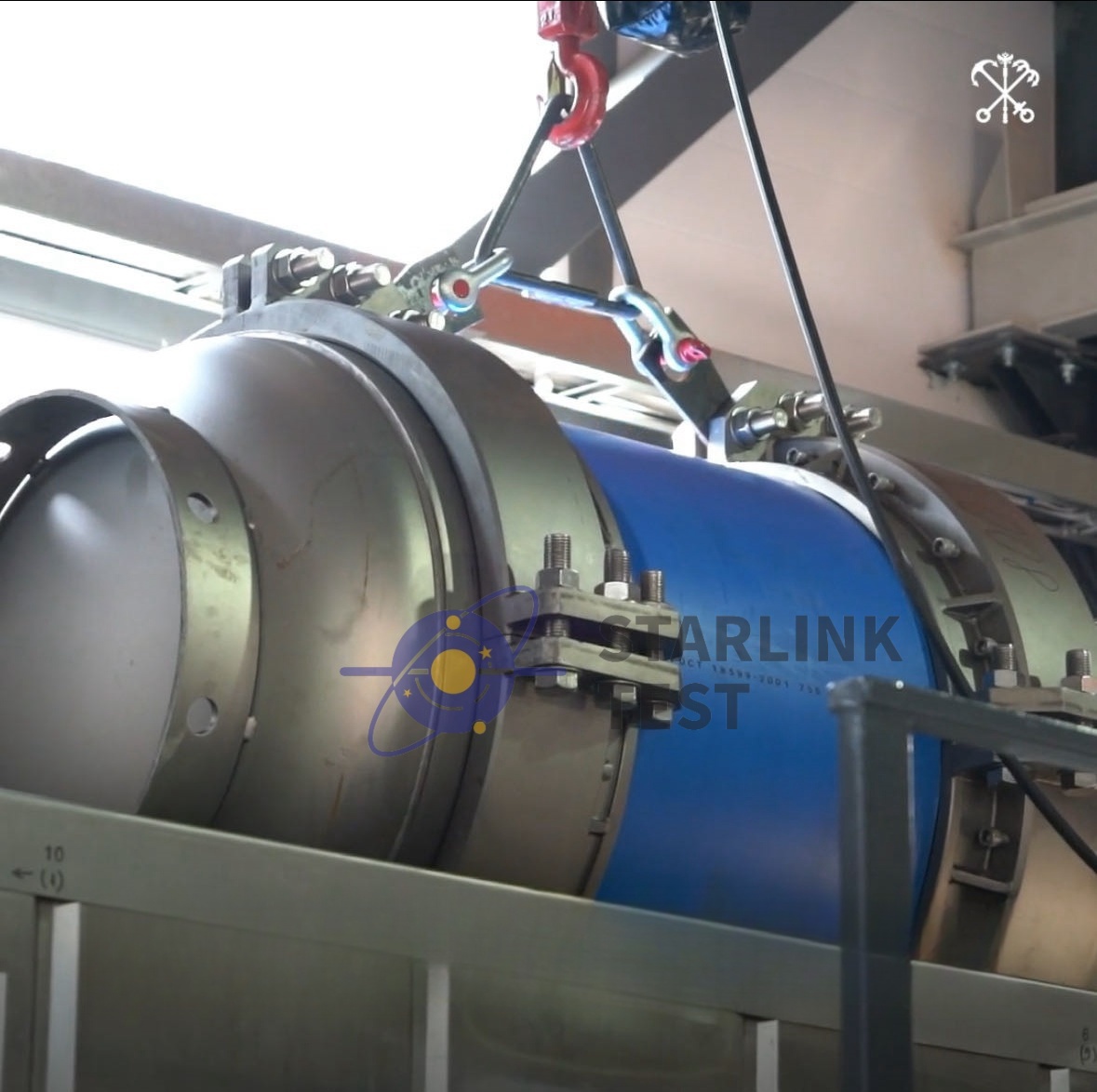
What makes our caps better?
We designed them to deliver maximum sealing reliability:
The groove for the sealing ring prevents misalignment and ensures even compression.
High-precision machining means parallel sealing surfaces and minimal installation errors.
An optional self-energizing seal provides tighter sealing as pressure increases.
Visit our website or email us at starlink@starlink-test.com.
Let's figure out what's going on together and find the right solution for you.
 Email
Email Tel
Tel Address